February 13, 2026
When you walk into a grocery store, the convenience of the bakery section is undeniable. You can grab a loaf of bread, a dozen cookies, or a pre-packaged cake while ticking off the rest of your shopping list. However, as food trends evolve in 2026, many consumers are beginning to question if that convenience comes at the cost of true culinary quality. The debate between choosing a massive retailer or a local pastry shop is more relevant than ever. While supermarket options are designed for shelf life and high-volume production, a dedicated boutique bakery focuses on the art of the craft, using time-honored techniques that machines simply cannot replicate.
Consumer awareness regarding what goes into their food has reached an all-time high this year. Shoppers are no longer just looking at prices; they are looking at the substance behind the label. According to Innova Market Insights, 61% of consumers notice the product quality of store brands and supermarket brand products. This statistic suggests that while people are buying these items, they are acutely aware of the differences in texture, flavor, and ingredients. In a local pastry shop, you are likely to find real butter, fresh eggs, and high-quality chocolate, whereas store brands often rely on oils, preservatives, and artificial stabilizers to maintain a consistent look over several days on a shelf.
The Difference in Ingredient Standards
One of the primary reasons to choose a pastry shop over a supermarket is the transparency of the ingredients. Most large-scale retailers receive their baked goods as frozen dough or par-baked items that are simply finished in an in-store oven. This process requires a heavy reliance on additives to ensure the dough survives the freezing and shipping process. When you visit a pastry shop, the items are typically made from scratch on-site. This means the flour is fresh, the fillings are prepared daily, and the recipes haven't been altered to accommodate a global supply chain.
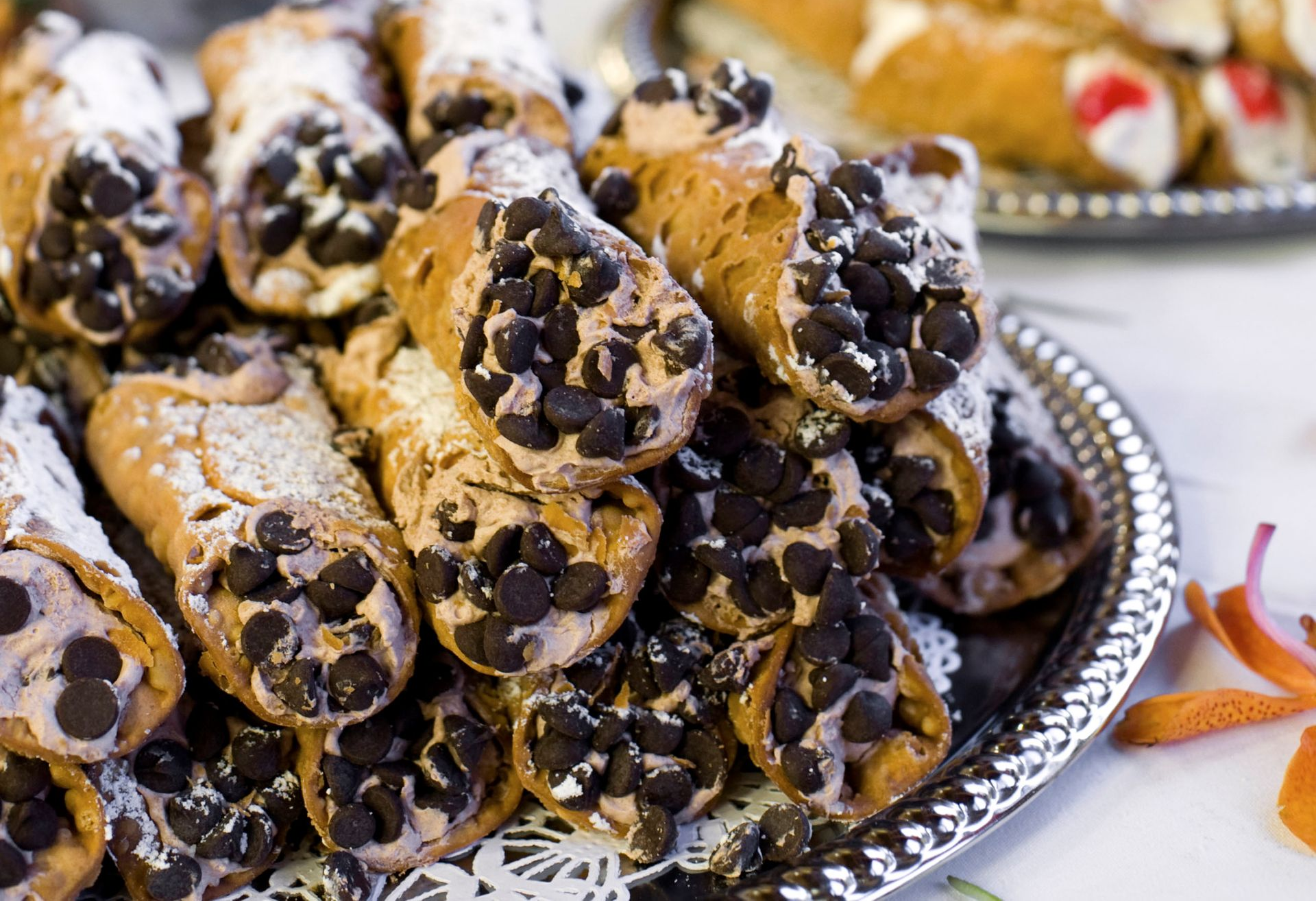
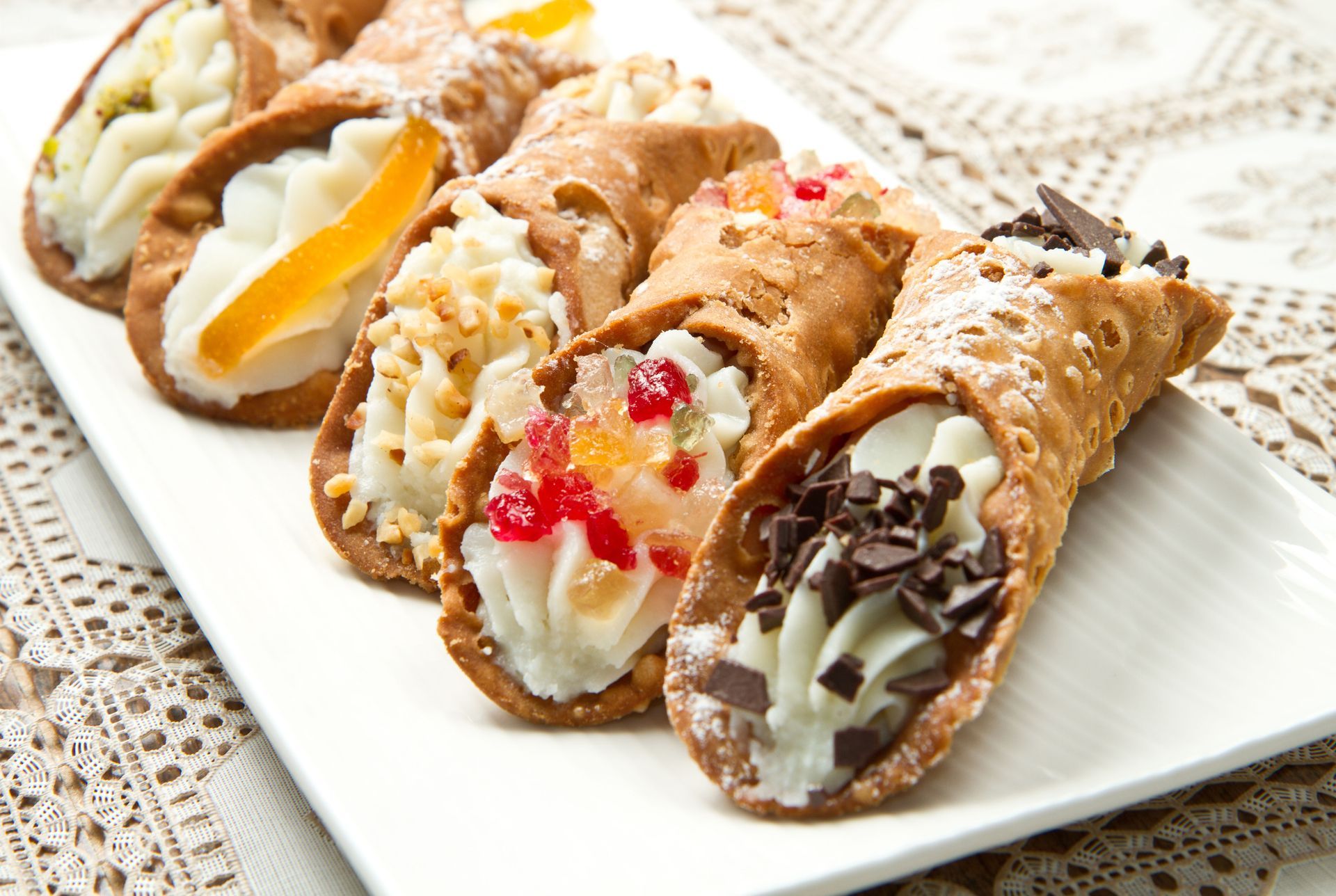
The difference is most noticeable in traditional items like cannoli or sfogliatelle. In a pastry shop, these shells are kept crisp and filled only when ordered, or in small batches to prevent sogginess. Supermarkets, by contrast, often sell pre-filled pastries that have been sitting in refrigerated cases for hours or even days. This leads to a loss of the contrasting textures that make Italian desserts so iconic. By prioritizing small-batch production, a pastry shop ensures that every bite retains the intended crunch and creaminess that mass production simply cannot offer.
Customization and Personalized Service
Beyond the ingredients, the level of service you receive at a local pastry shop is vastly different from a self-service grocery aisle. When you are planning a wedding, a milestone birthday, or a special anniversary, you want a dessert that reflects the importance of the occasion. A local pastry shop offers a level of customization that store brands cannot match. You can speak directly with the baker about flavor profiles, dietary restrictions, or specific decorative themes. This personal connection ensures that the final product is a unique creation rather than a template pulled from a corporate handbook.
Furthermore, the staff at a local pastry shop often has a deep knowledge of the history and tradition behind their recipes. They can explain the difference between various types of cookies or suggest the perfect pastry to pair with a specific coffee or wine. This expertise creates a shopping experience that is educational and engaging. Instead of just being another customer in a long checkout line, you become part of a community that values the heritage of baking. This relationship-building is a hallmark of the local pastry shop experience, making every visit feel like a special event rather than a chore.
Supporting the Local Economy and Heritage
Choosing to spend your money at a pastry shop also has a significant impact on your community. Independent bakeries are often family-owned businesses that have been passed down through generations. These establishments serve as anchors for local neighborhoods, providing jobs and keeping the unique cultural flavors of the area alive. When you support a pastry shop, you are investing in the preservation of authentic recipes that might otherwise be lost to the homogenization of corporate food production. It is a way to ensure that the craftsmanship of traditional baking continues to thrive for future generations.
In contrast, the profits from store-brand purchases generally flow back to large corporate headquarters. While supermarkets play an essential role in the food ecosystem, they rarely offer the soul and character found in a neighborhood bakery. A local pastry shop often sources its own ingredients from local farmers or specialty importers, creating a web of economic support that benefits the entire region. By choosing the local option, you are making a conscious decision to prioritize quality, tradition, and community health over the sterile efficiency of a big-box retailer.
Freshness and the Sensory Experience
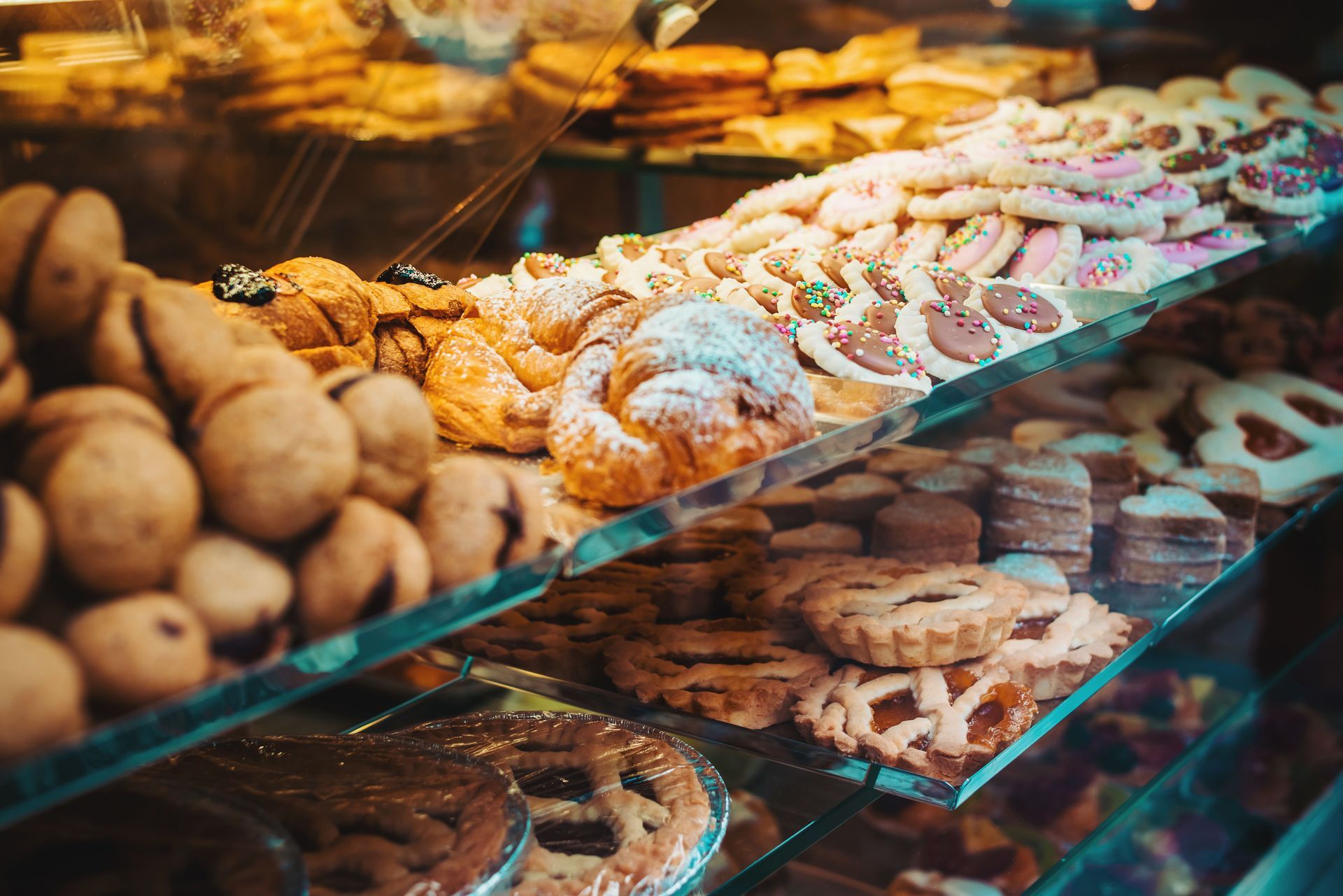
The sensory experience of walking into a local pastry shop is incomparable. The aroma of sugar, yeast, and toasted nuts hitting the air as you open the door is something a supermarket can rarely replicate. Because these shops bake in smaller quantities throughout the day, the products are often still warm when they reach the display case. This freshness is a key driver for why many people prefer their pastry shop for morning treats or evening desserts. There is a psychological and physical satisfaction that comes from eating something that was pulled from the oven just a few hours prior.
The visual appeal of handmade goods also stands out. In a pastry shop, no two cookies or tarts look exactly the same. Those slight variations are a testament to the fact that a human hand, not a machine, shaped the dough. This artisanal quality makes the food feel more "real" and trustworthy. In an age where 2026 consumers are increasingly skeptical of ultra-processed foods, the rustic and honest appearance of treats from a pastry shop provides a sense of comfort and authenticity that a plastic-wrapped store brand item simply lacks.
Consistency vs. Character in Baking
Supermarkets pride themselves on consistency, which means a cookie bought in one state will taste exactly like one bought in another. While this predictability has its place, it often leads to a "flat" flavor profile designed to appeal to the widest possible audience. A pastry shop, however, leans into character. The flavors are often bolder, the textures more varied, and the recipes more daring. A pastry shop might use a specific type of local honey or a family-secret spice blend that gives their goods a signature taste you won't find anywhere else.
This character is what builds a loyal following. People will travel across town specifically for the almond paste cookies or the rum cakes at their favorite pastry shop. This loyalty is earned through years of maintaining high standards and refusing to cut corners on the process. While store brands are a functional choice for everyday needs, the pastry shop remains the destination for those who want to experience the true potential of flour, sugar, and heat. The choice ultimately comes down to whether you want a snack or a true culinary experience.
While the supermarket offers speed, the local pastry shop offers a superior level of quality, tradition, and community connection. The difference in ingredients and the care taken in the baking process make the independent bakery the clear winner for those seeking an authentic taste. At Moio's Italian Pastry Shop, we have spent decades perfecting the art of the Italian dessert, ensuring that every customer receives something truly special. We invite you to taste the difference that heritage and fresh ingredients make in every bite. Call Moio's Italian Pastry Shop today to learn more about our custom cakes and traditional Italian specialties.